Sun, style, and sustainability: why Floridians are turning to smart window tinting
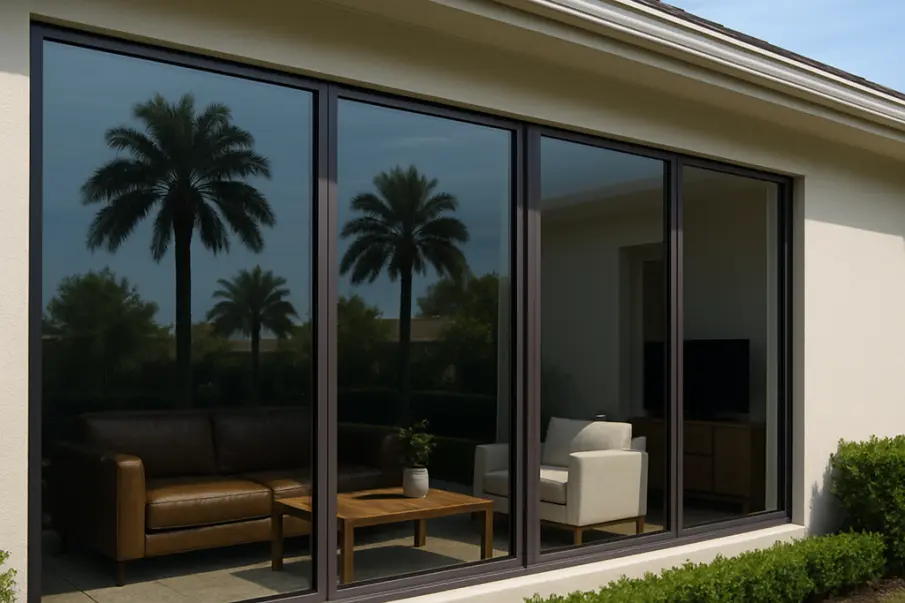
There’s a shift happening across the Sunshine State. Drive through Miami, Tampa, or Fort Lauderdale, and you’ll notice a subtle trend woven into homes and offices alike — windows that shimmer just slightly differently. They’re not just stylish. They’re smart.
Florida isn’t shy with its sunlight. The subtropical rays are relentless, and the blend of heat and humidity has long pushed residents to crank up their air conditioning and pull down the blinds. But now, more and more Floridians are choosing a solution that works with the sun, not against it. Welcome to the era of smart window tinting — a response to energy inefficiency, rising utility costs, and a collective desire for both comfort and design integrity.
It starts with heat. Summer doesn’t ask permission in Florida. Temperatures soar early, and the impact on indoor environments is immediate. Sunlight bleeds through untreated glass, raising internal temperatures and overworking HVAC systems. The result? Higher bills and inconsistent comfort. Enter expert window tinting — a service that’s moving from luxury to necessity, especially in residential builds designed post-2020.
Today’s films are more than just shaded plastic. They’re made with nanotechnology, UV filters, and infrared-reflecting materials that block up to 99% of harmful ultraviolet rays. And that’s no small detail. Ultraviolet exposure causes more than fading — it’s directly linked to skin aging and increases the risk of certain cancers. In a state where the sun shines over 230 days a year, window tinting becomes a quiet form of protection.
Furniture, too, tells the story. Leather sofas, hardwood floors, and digital displays suffer when exposed to constant sunlight. Discoloration, warping, screen burn. Tinting doesn’t just cool your home — it extends the life of the things you care about inside it. Interior designers across Florida are beginning to recommend window films alongside décor, not as an afterthought but as a preservation tool.
Architects are also on board. In modern Florida builds, floor-to-ceiling windows, open layouts, and natural lighting remain in high demand. But how do you enjoy the light without enduring the heat? Smart tinting offers a compromise. It enables glass-heavy architecture to remain bold without punishing the energy performance of the building. Some luxury homes now incorporate adjustable smart films that change opacity with a tap, adapting to the time of day or weather conditions.
Commercial buildings benefit just as much. Offices in Orlando and co-working spaces in Jacksonville are turning to tinted solutions to manage overhead costs. It’s no longer just a matter of comfort. It’s a way to cut operational energy use, meet environmental benchmarks, and maintain productivity in spaces that would otherwise be roasting by noon.
And yet, the most underappreciated benefit may be visual clarity. Smart tinting reduces glare. That means clearer views of your phone, your TV, your computer — and the outside world. It protects without darkening. The myth that window films turn your home into a cave is being rewritten, one pane at a time.
Style hasn’t been sacrificed either. There’s now a full range of finishes — from barely-there clear coatings to reflective metallic tints that offer privacy by day. In upscale coastal homes, reflective films are often used to create a mirrored exterior, doubling as a cooling measure and a visual upgrade. It’s no surprise that architects and homeowners alike see this as both a technical and design choice.
To add confidence to this investment, many companies now offer registered warranties on window films — for instance, providers like Window Cleaning Pros include such protection as part of their service.
What’s more, installers are becoming artisans in their own right. A quality tint job requires precision, knowledge of local building codes, and awareness of glass types and thickness. This is where companies like Window Cleaning Pros make their mark — offering not just surface-level upgrades but tailored solutions for each space. Their expertise in balancing UV protection, clarity, and structural compatibility puts them in high demand, especially during peak seasons.
Sustainability sits at the core of this growing trend. Lower HVAC usage means reduced carbon emissions, and Florida’s move toward greener housing is only accelerating. Window tinting, while not as flashy as solar panels or green roofs, is proving to be one of the most accessible upgrades for energy efficiency. The return on investment is tangible — often seen in the very first month’s energy bill.
There’s also the question of privacy. Especially in urban neighborhoods or along busy streets, smart tinting offers a degree of seclusion without sacrificing natural light. Homeowners no longer have to choose between openness and discretion. Films designed with one-way visibility give residents control without pulling the curtains shut.
As Florida’s building codes evolve to encourage resilience and efficiency, window tinting is poised to become standard rather than optional. And with insurance companies increasingly incentivizing upgrades that reduce interior sun damage, the economics make even more sense.
The heat isn’t going away. If anything, climate patterns suggest more extreme summers ahead. But Floridians, long known for adapting with ingenuity, have found a way to turn sunlight into an asset instead of a threat.
Smart window tinting isn’t just a trend — it’s a shift in how people think about living in sun-drenched environments. It’s about blending innovation with comfort, design with durability. Whether you're a homeowner looking to extend the life of your interior or a designer planning your next project, this is one upgrade where form meets function — and everybody wins.
More to Read:












Previous Posts: