What First-Time Homebuyers Should Know Before House Hunting
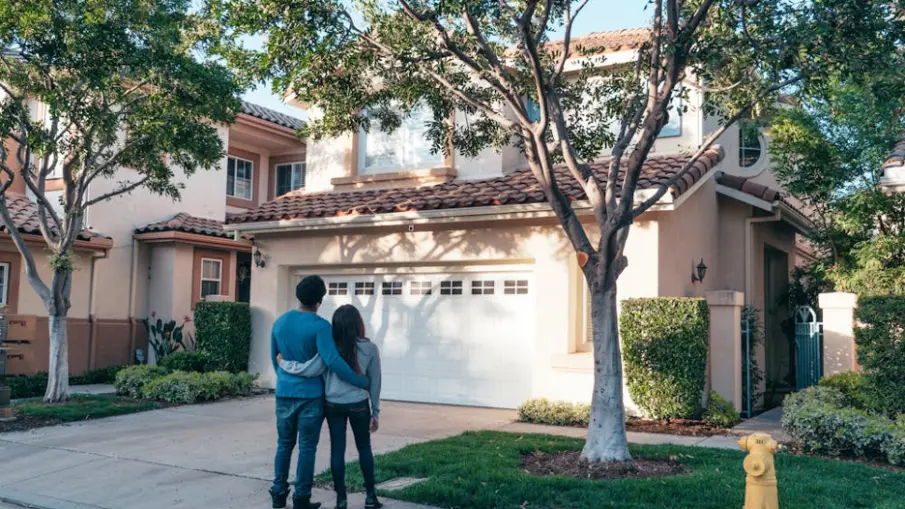
Buying your first home is a big step. It’s exciting, but it can also feel a little confusing. There’s a lot to think about—price, location, features, and paperwork. It’s easy to get caught up in open houses or online listings without really knowing what to do first.
Many people start by scrolling through homes before they’ve figured out what they can actually afford. Others jump into house tours without understanding the full process. That can lead to stress, delays, or disappointment. The good news? A little planning helps you stay on track.
If you're thinking about buying a home for the first time, it helps to slow down and get your facts straight. This guide covers the key things to know before you walk into that first showing. A few smart steps now will save you time—and probably some frustration—later on.
Know What You Can Afford
Before looking at homes, it helps to know your budget. A lot of people base it on how much rent they currently pay, but that’s not the full picture. Owning a home comes with extra costs. You’ll need to think about property taxes, insurance, utility bills, and future repairs.
Start with a basic breakdown of your income, expenses, and any savings you already have. Mortgage calculators can give you a general idea of what a monthly payment might look like for different price ranges. But guessing your limit isn’t the best way to go about it.
Once you have a general sense of your price range, getting preapproval for a mortgage helps lock in what you can actually spend. It gives you a clearer target, strengthens your position with sellers, and speeds up the buying process. When you’re preapproved, you’re seen as a serious buyer—someone ready to move forward when the right house comes along.
This step doesn’t take long, and it sets the foundation for everything that comes next. It’s one of the smartest moves a first-time buyer can make.
Understand Your Down Payment Options
Many first-time buyers think they need to save up 20% before they can buy a home. While that’s one option, it’s not the only one. Some loan programs allow down payments as low as 3% or even zero, depending on your credit and income.
If you're using an FHA loan, for example, you might only need 3.5%. VA loans, available to qualified military members, don’t require a down payment at all. State and local programs for first-time buyers may also offer help.
That said, putting more down means you’ll borrow less and pay less interest over time. It also reduces your monthly payment. But if saving 20% is holding you back, know that other paths exist. Just keep in mind that you’ll also need cash for closing costs, which often range from 2% to 5% of the home’s price.
Check Your Credit and Debt Status
Before you go too far into the homebuying process, take a close look at your credit. Your credit score plays a major role in the type of loan you’ll qualify for and the interest rate you’ll receive. A higher score often means better loan terms.
Start by pulling your credit reports from the major agencies. Look for mistakes like incorrect balances or late payments you didn’t make. These errors can affect your score and slow down your mortgage process. If you find anything wrong, report it right away.
It’s also a good idea to check your debt-to-income ratio. This is the amount you owe compared to what you earn. Lenders use this to figure out how much of a mortgage payment you can handle. If your debt is high, consider paying down credit cards or loans before you apply for a mortgage.
Avoid taking out new credit or making big purchases during this time. Buying a car or opening a new card could change your credit profile and hurt your chances of getting approved for a loan.
Start Researching Neighborhoods
Once your finances are in good shape, it’s time to look at where you want to live. A home’s location matters just as much as the house itself. Think about commute times, nearby schools, public transportation, and access to shopping or restaurants.
Visit neighborhoods during the day and evening. Some areas feel different depending on the time. Take note of traffic, noise, and how well the homes are kept up. These small details help you figure out if a neighborhood fits your lifestyle.
Don’t focus only on price or appearance. You’ll spend a lot of time in the area, so it needs to work for your day-to-day life. Make a list of locations that check most of your boxes.
Build a List of Priorities
It’s easy to get distracted by the little things when touring homes. A stylish kitchen or new floors look great, but they’re not the only features to think about.
Before you start looking, make a “must-have” list and a “nice-to-have” list. That way, you’ll know what to focus on. Stick to things that affect how you live—like the number of bedrooms, layout, or yard space.
Be ready to make some trade-offs. Most first homes don’t have everything you want. Focus on the things that are hard to change, like the structure or location. Paint colors and fixtures are easy to update later.
Find a Trusted Real Estate Agent
Working with a good real estate agent can make a big difference. An experienced agent knows the local market, can spot problems in a home, and helps you avoid costly mistakes.
Ask friends or family for referrals. Read reviews and meet with a few agents before you decide. Look for someone who listens to your needs, answers your questions, and explains the process clearly.
Your agent will guide you through home tours, paperwork, and offers. You don’t need to do everything on your own—having support makes the experience less stressful.
Buying your first home is a big deal, but it doesn’t have to be overwhelming. When you take time to understand your budget, credit, loan options, and priorities, the process feels more manageable. With the right preparation, you’ll feel more confident as you start your home search and closer to finding the right place to call home.
More to Read:











Previous Posts: