How to Prepare Your Atlanta Apartment for Summer: A Practical Maintenance Checklist
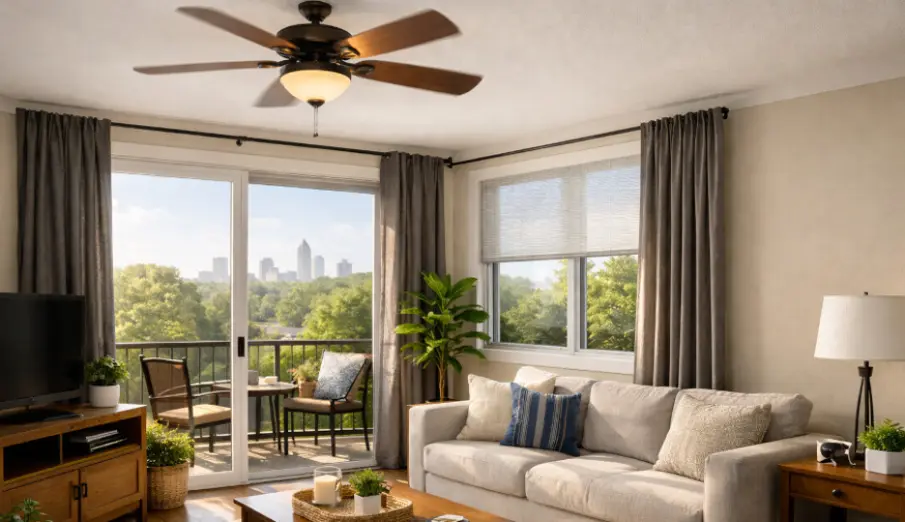
Atlanta summers have a way of arriving early. By late spring, the air feels heavier, afternoon thunderstorms roll in, and apartment cooling systems work overtime.
If you live in Atlanta, summer prep is less about aesthetics and more about avoiding avoidable problems. A few simple checks in April or May can help you stay comfortable, reduce energy bills, and prevent costly repairs when temperatures peak.
Whether you rent or own your unit, this practical checklist will help you get your apartment ready before the hottest stretch of the year.
Key Takeaways
- Atlanta’s heat, humidity, and pollen can put extra strain on apartment systems.
- Your HVAC system should be the first thing you check before summer starts.
- Sealing air leaks and blocking direct sun can help lower cooling costs.
- Basic appliance maintenance helps prevent breakdowns during heat waves.
- Moisture control is essential in bathrooms, kitchens, and laundry areas.
- Early prep is easier and cheaper than mid-summer repairs.
Check Your HVAC Before Atlanta’s First Heat Wave
Your cooling system should be at the top of your summer checklist. In Atlanta, even late May can bring muggy days that push your AC harder than expected.
Replace or Clean Your Air Filter
A dirty filter restricts airflow, makes your AC work harder, and can drive up your power bill. In Atlanta, spring pollen can clog filters faster than many renters expect, especially if you keep windows open.
A good rule of thumb is to check your filter every 30 to 60 days during warmer months.
Schedule a Professional Tune-Up
If you are unsure which repairs are safe to handle yourself versus what should be reported to management, this guide to basic apartment and home maintenance can help you understand the difference.
A technician can:
- Inspect refrigerant levels
- Clean coils
- Clear condensate lines
- Test airflow and thermostat response
Check Vents and Thermostat Settings
Walk through each room and make sure vents are not blocked by furniture, rugs, or curtains. If you have a programmable thermostat, cool your apartment earlier in the day instead of forcing your AC to work hardest during the afternoon peak.
Do not wait until the first 90-degree weekend. By then, everyone else is calling for service too.
Seal Windows and Doors to Keep Cool Air In
Even a well-functioning AC system struggles when cool air constantly escapes.
Check Weatherstripping and Drafts
Atlanta’s older apartment buildings, especially in neighborhoods with aging housing stock, often have worn seals around windows and balcony doors.
Run your hand around window frames and doors on a warm afternoon. If you feel warm air creeping in, replace worn weatherstripping or ask maintenance to inspect the seals.
Add Window Film or Thermal Curtains
South- and west-facing units can heat up fast, especially on upper floors. Blackout curtains, solar shades, or removable heat-blocking film can make a noticeable difference.
Top-floor apartments in Atlanta often stay warm well into the evening because heat lingers in the roof and attic space. Blocking the afternoon sun helps your AC recover faster.
Summer Appliance Maintenance for Atlanta Apartments
Once your cooling and insulation are sorted, turn your attention to the appliances that quietly work harder all summer.
Refrigerator Coils and Door Seals
Your refrigerator runs constantly, and Atlanta's heat makes it work even harder.
Pull the fridge away from the wall, vacuum the condenser coils, and check the door seal by closing a piece of paper in the door. If it slips out easily, the seal may need to be replaced.
Washer and Dryer Maintenance
Clean your dryer vent and lint trap thoroughly before summer. This improves efficiency and lowers fire risk.
Also, inspect washing machine hoses for:
- Cracks
- Bulging
- Slow drips
Small leaks can turn into mold issues quickly in humid weather.
Dishwasher and Garbage Disposal
Clean your dishwasher filter and inspect the door gasket for buildup or gaps. For your garbage disposal, running ice and citrus peels through it can help reduce odors and loosen residue.
If a refrigerator, washer, or dishwasher is already struggling, it may be worth scheduling reliable appliance repair in Atlanta before summer demand makes appointments harder to get.

Manage Moisture Before Atlanta Humidity Peaks
In Atlanta, summer comfort is not just about temperature. Humidity can make your apartment feel sticky, stale, and harder to cool.
Test Your Bathroom Exhaust Fan
Run the fan during and after a shower. It should clear steam within a few minutes.
A weak fan can lead to:
- Lingering moisture
- Peeling paint
- Mildew growth
Check for Hidden Leaks
Inspect under sinks, behind toilets, and around washing machine connections. Look for:
- Water stains
- Swollen cabinet panels
- Musty smells
- Mineral buildup
One overlooked drip can turn into a mold issue during Atlanta’s wettest months.
I once ignored a noisy bathroom fan because it still technically worked. A few weeks into summer, moisture had begun to accumulate in the corners of the ceiling. Since then, bathroom ventilation has been one of the first things I check every spring.
Prepare Your Balcony and Outdoor Space for Storm Season
Atlanta’s summer storms can arrive quickly, bringing heavy rain, strong winds, and sudden debris.
If you have a balcony or patio:
- Clear drains so water does not pool
- Secure lightweight furniture or decor
- Check outdoor lights and ceiling fans
- Inspect railings and furniture for rust or loose hardware
- Inspect grill burners and fuel connections if permitted
A little prep here can help you avoid water intrusion or storm damage later.
Why Atlanta Apartments Need Extra Summer Attention
Atlanta apartments deal with a few seasonal issues that renters in milder climates may not face as often.
Pollen and Tree Debris
Atlanta’s tree canopy is one of the city’s best features, but it also means more pollen, leaves, and debris collecting in:
- vents
- window tracks
- balcony drains
Humidity and Storms
Summer thunderstorms can raise humidity quickly, even after temperatures drop. That added moisture can affect indoor air quality, cause condensation, and worsen hidden leaks.
Utility Bill Spikes
Cooling costs in Atlanta can climb quickly during July and August. Small improvements like sealing leaks, changing filters, and blocking afternoon sun can help reduce your monthly bill.
Frequently Asked Questions
When should I start summer prep for my Atlanta apartment?
April and May are ideal. You will have time to book maintenance, replace filters, and address small issues before the hottest weather arrives.
How often should Atlanta renters change AC filters in summer?
Most renters should check filters every 30 to 60 days. If you have pets, allergies, or high pollen exposure, check more often.
Who handles HVAC maintenance in a rental?
It depends on your lease. Landlords usually handle major repairs, while tenants are often responsible for filter changes and basic upkeep.
How can I keep my apartment cooler without overusing AC?
Use blackout curtains, run ceiling fans counterclockwise, avoid using heat-producing appliances in the afternoon, and cool your space before peak outdoor temperatures.
Can Atlanta humidity damage apartment walls?
Yes. Persistent humidity and hidden leaks can lead to mold, peeling paint, warped materials, and musty odors if left unchecked.
Final Thoughts on Summer Apartment Prep
Atlanta summers can be demanding, but a little preparation makes a noticeable difference.
Checking your HVAC early, sealing leaks, cleaning appliances, and managing indoor moisture can help you avoid expensive repairs and keep your apartment more comfortable.
In Atlanta, summer punishes neglect quickly. A few hours of spring maintenance can mean lower bills, fewer repair calls, and a home that still feels comfortable in August.
More to Read:










Previous Posts: