Foundation Cracks: When Is It a Deal-Breaker and When Is It Just Cosmetic?
You found a house you love. Then the inspector points at a crack in the foundation and suddenly your stomach drops. Not all foundation cracks are the same, though. Some are as harmless as age lines on a wall. Others are warning signs of serious structural trouble. Knowing how to read the difference can save you from a money pit or help you negotiate a fair price on a fixable issue. This guide breaks it all down in plain terms so you can walk into any home purchase with confidence.
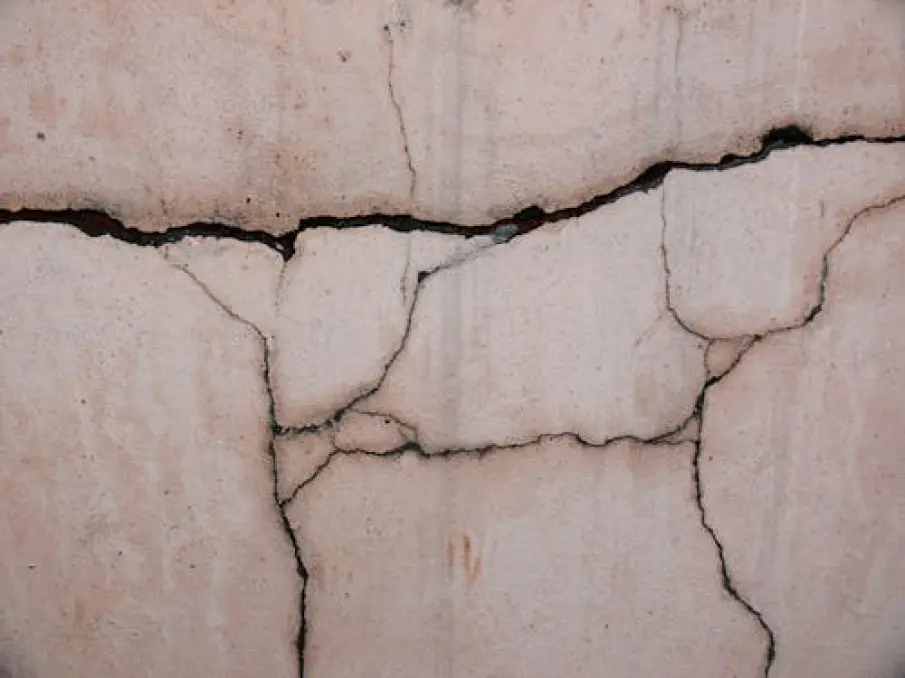
Why Foundations Crack in the First Place
Foundations are constantly under pressure from the ground around them, the weight of the house above them, and seasonal changes in temperature and moisture. Over time, even well-built foundations react to these forces. Concrete is strong under compression, but it can crack when soil shifts or moisture causes it to expand and contract repeatedly.
Soil movement is one of the biggest culprits. Clay-heavy soils absorb water and swell, then shrink when they dry out. This constant push-and-pull puts stress on the concrete or block walls below your home. Tree roots growing near the foundation can do the same thing, adding pressure from the outside.
Poor drainage is another common cause. When water pools around the base of a house instead of flowing away, it softens the soil and can undermine the footing, the part of the foundation that sits directly on the ground. Over time, this can cause one corner or side of the house to sink slightly, which is called differential settlement.
Crack Types That Are Usually No Big Deal
Not every crack means the house is falling apart. Some types are so common in older homes that inspectors barely raise an eyebrow. Learning to recognize these can help you stay calm when you see them.
Typically cosmetic: Low concern
|
The keyword here is stable. A crack that has not grown or moved in years is very different from one that keeps changing. During your inspection, ask whether there are any signs of recent movement: fresh concrete dust, displaced edges, or moisture coming through the crack are all things to pay attention to.
|
Pro tip Take photos of any cracks during your inspection and compare them to photos from the listing. If cracks appear in listing photos from two years ago and look the same today, that is a good sign they are stable. |
Red Flags That Signal Real Structural Problems
Some cracks are genuinely serious and can cost tens of thousands of dollars to repair. These are the ones that should make you pause and either negotiate hard on price or walk away entirely.
High-concern crack signs
- Horizontal cracks in basement walls. These are the most serious types, often indicating soil pressure is actively pushing the wall inward.
- Wide cracks (more than 1/4 inch) that show displacement, meaning one side of the crack is higher or further out than the other side.
- Diagonal cracks running from a corner of a window or door opening downward. This can point to differential settlement in the foundation.
- Cracks that are actively leaking water or showing white mineral deposits (efflorescence) all around them, and ongoing moisture intrusion that can worsen over time.
- Multiple cracks converge in one area, especially near a load-bearing column or beam point.
- Cracks paired with bowed walls, sticking doors, or sloping floors across the house.
If you see horizontal cracking in a poured concrete or block wall, take it seriously. This is not a crack you can simply fill and forget. It typically means the wall is under active lateral pressure from the soil outside. Left unaddressed, it can eventually lead to wall failure.
How Much Does Foundation Repair Actually Cost?
This is what most buyers really want to know. The answer ranges widely based on the type of problem, the foundation material, and your region.
- Minor crack repairs: filling hairline or shrinkage cracks with epoxy injection or hydraulic cement, typically run between $300 and $1,000. These are jobs a skilled handyman or waterproofing contractor can handle in a day.
- Mid-range repairs like installing wall anchors to stabilize a bowing basement wall or waterproofing an exterior footing tend to fall between $4,000 and $12,000. These require specialized contractors and take longer to complete.
- Major structural work: underpinning the foundation using steel piers or helical piers to stop or correct settlement is where costs get serious. This work typically ranges from $15,000 to $40,000 or more, depending on how many piers are needed and how accessible the work area is.
If you are buying in the Northeast or a market where cash buyers are common, sellers working with NJ iBuyers often price these repairs into their offers, so you may have more room to negotiate than you think.
What to Do After Finding Foundation Issues
If your inspector flags a crack, do not panic and do not skip the follow-up steps. Your general home inspector can identify problems, but they are not structural engineers. Getting a second opinion from a licensed structural engineer is worth every cent. They can tell you whether a crack is stable, actively moving, or in need of immediate repair.
Once you have an engineer's report, you have real leverage. Use the repair estimate to go back to the seller, and either request a price reduction or ask them to fix the issue before closing. Most sellers would rather negotiate than lose the deal entirely.
Keep in mind: Always get at least two contractor bids for any foundation work. Prices vary significantly, and some companies that specialize in foundation repairs use scare tactics to upsell work that is not always necessary.
If the structural engineer says the damage is severe and ongoing or if the seller refuses to budge on price despite a costly repair bill, walking away is a completely rational choice. A house with a serious foundation problem is never a sure thing, even at a discount, unless you are an experienced investor who truly understands what you are getting into.
Making a Smart Call as a Buyer
Foundation cracks are common, and most of them are manageable. The goal is not to avoid every house that has one. It is important to understand what you are dealing with before you close. A home with a patched hairline crack and good drainage is not a risky buy. A home with a bowing basement wall and no seller disclosure history is a very different story.
Do your homework, bring in the right experts, and never let emotions override what the inspection tells you. A great neighborhood and a beautiful kitchen do not fix a failing foundation.
More to Read:












Previous Posts: