Cash vs. Market: Is Speed Worth the Trade‑Off in Home Price?
Selling your home is one of the biggest financial moves you'll ever make. When the time comes, you're often faced with a fork in the road: take a quick cash offer and be done with it, or list on the open market and wait for the highest bidder. Both paths lead to the same destination, but the journey and the paycheck at the end can look very different. So how do you know which one fits your situation? Let's break it all down in plain terms.
What a Cash Sale Actually Looks Like
A cash sale means a buyer, usually an investor, a company, or sometimes an individual, offers to purchase your home outright without going through a mortgage lender. No bank approval, no appraisal required by a lender, no waiting around for loan paperwork to clear. You get an offer, you accept it, and you can sometimes close in as little as seven to ten days.
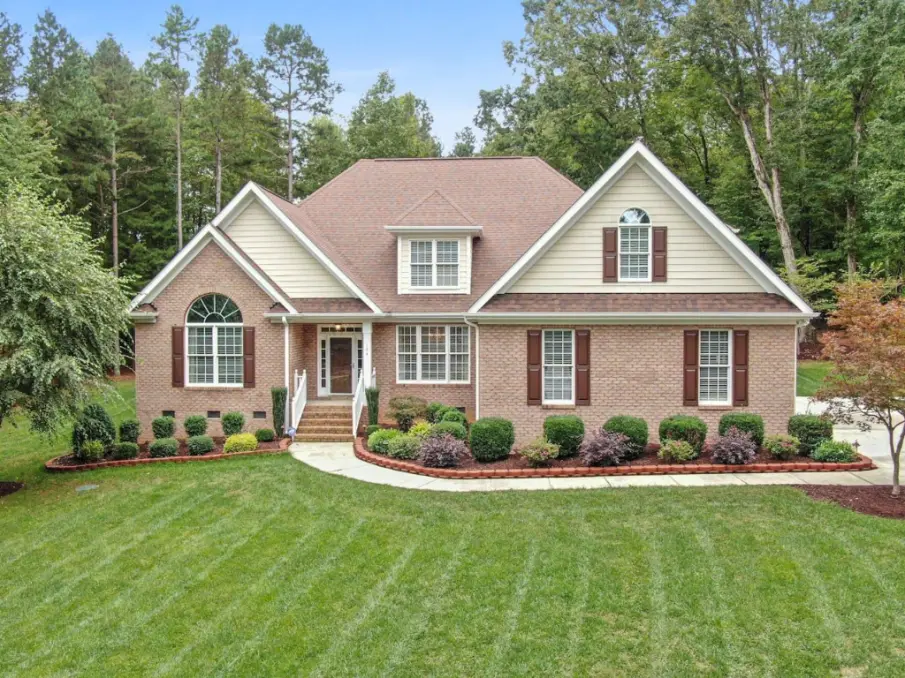
Sounds great on paper, right? It can be. Cash buyers typically take the home as-is, which means you don't need to repaint walls, fix the leaky faucet, or stage your living room for a photo shoot. They handle all of that on their end. The trade-off is that their offer will almost always come in below what your home could fetch on the open market, especially compared to buyers relying on home loans, who may have more flexibility to pay higher prices.
|
7–14 Average cash close days |
10–30% Typical below-market discount |
0 Repairs usually required |
The discount is the price of convenience. Cash buyers factor in repair costs, their profit margin, and market risk. So when they hand you a number, it already has all of that baked in.
How Listing on the Market Actually Works
When you list your home on the open market with a real estate agent, you're essentially opening the door to competition. More buyers competing for your property means more leverage, and in a strong market, that can push your final sale price well above your asking price.
Companies like Blues City Homebuyers understand that local sellers often face this exact crossroads, and knowing your market is the first step to making the right call. Local knowledge matters enormously when pricing your home correctly from day one.
The market route takes longer, usually 30 to 90 days from listing to closing, sometimes more. You'll need to prepare your home, take professional photos, hold showings, review offers, negotiate back and forth, and then wait through the buyer's mortgage process. It takes patience and a solid stomach for uncertainty. At any point, a deal can fall through if financing doesn't come together.
|
Market Listing Higher price potential Competitive offers can push above the asking price in a hot market with low inventory. |
Cash Offer Guaranteed certainty No financing fall-throughs, no appraisal gaps, what they offer is what you get. |
Where Your Money Goes in Each Option
Let's talk real numbers, because this is where people often get surprised. Listing on the market doesn't mean you pocket the full sale price. You'll pay a real estate agent commission, typically around 5 to 6 percent, split between buyer and seller agents. You might also spend money on staging, pre-listing repairs, and any concessions the buyer negotiates during inspection.
Add in closing costs, and your net from a market sale could easily be 8 to 10 percent less than the final sale price. Now compare that to a cash offer that comes in at 15 percent below market value, the gap starts to shrink significantly when you do the math properly.
A home worth $300,000 listed on the market might net $270,000 after commissions, repairs, and concessions. A cash offer at $265,000 with zero deductions might actually put more in your pocket, especially if you avoid months of carrying costs like mortgage payments, utilities, and insurance.
Carrying costs are real and often overlooked. Every month your home sits on the market, you're still paying your mortgage, property taxes, insurance, and utilities. Those add up fast. If your home takes three months to sell and you're spending $2,000 a month in carrying costs, that's $6,000 off your net number before you even touch commissions.
When Speed Beats a Higher Price Tag
There are situations where speed isn't just nice, it's necessary. Job relocation with a tight start date, a sudden financial hardship, an inherited property you can't maintain, or a divorce where both parties just want it done. In these cases, waiting 60 days for a higher offer isn't always realistic, and the emotional cost alone might outweigh the financial upside.
|
Go cash if... You need to get out fast Relocation, financial stress, divorce, or an inherited property that needs work. |
Go market if... You have time and equity Strong local demand, move-in ready home, and no urgent timeline. |
|
Go cash if... Your home needs big repairs A distressed property can be hard to finance, killing market deals at inspection. |
Go market if... The market is hot right now Low inventory and high buyer demand can drive prices well above what cash buyers offer. |
A cash sale removes almost all of the variables from the equation. You know exactly what day you're closing and exactly how much you're getting. For someone dealing with life chaos, that kind of certainty is worth a lot.
Red Flags to Watch for on Both Sides
Not every cash buyer is legitimate. Some use high-pressure tactics, make a flashy offer, and then drop the price dramatically after inspection, or use confusing contract language to their advantage. Always read the fine print and get any offer reviewed by a real estate attorney before signing anything. A reputable cash buyer won't rush you through the paperwork.
- Lowball offers with vague as-is language
- No proof of funds provided upfront
- Pressure to sign the same day without review time
- Price drops post-inspection without a valid reason
On the market side, watch out for overpriced listings that lead to price drops. A home that sits too long starts to feel stale to buyers, and you can end up settling for less than if you had priced it right from day one. A well-priced home that moves quickly often nets more than an overpriced one that drags on for months.
- Work with an agent who knows your specific neighborhood
- Price based on recent comparable sales, not wishful thinking
- Get a pre-listing inspection to avoid surprise deal-killers
- Review all offers carefully, including contingencies and closing timelines
Making the Call That's Right for You
There's no single right answer here. It really comes down to your timeline, your financial situation, and the condition of your home. If your house is in great shape, you're in no rush, and your local market is strong, listing on the open market is likely going to put more money in your pocket. If you need to sell quickly or your home has issues that would scare off financed buyers, a cash sale might actually be the smarter financial move once you do the full math.
Run the numbers honestly before deciding. Get a few cash offers to understand what that market looks like, and then get a comparative market analysis from a local agent to see what you could realistically net from a traditional sale. When you compare the two side by side, after commissions, repairs, carrying costs, and your own timeline. The right path usually becomes pretty clear.
|
The smartest sellers don't pick a path based on emotion or convenience alone. They run both scenarios with real numbers and choose the one that puts more money in their pocket while fitting their actual life situation. Speed is worth it when the numbers work. And sometimes, they do. |
Your Questions Answered
- Is a cash offer always lower than a market listing price?
In most cases, yes. Cash offers are usually lower because buyers factor in repairs, holding costs, and their own profit margin. However, once you subtract agent commissions, repairs, and carrying costs from a market sale, the difference in your final net may be smaller than expected.
- How fast can I realistically close with a cash buyer?
Cash sales can often close within 7 to 14 days since there is no mortgage approval process involved. The exact timeline depends on the buyer’s process and how quickly paperwork is completed, but it is significantly faster than a traditional sale.
- Do I need to make repairs before accepting a cash offer?
No. Most cash buyers purchase homes as-is, meaning you can skip repairs, cleaning, and staging. This can save both time and upfront costs, which is one of the main reasons sellers choose this route.
- Can I lose a deal after accepting an offer on the open market?
Yes, it can happen. Deals on the market often depend on financing, inspections, and appraisals. If any of these fall through, the sale can collapse, causing delays and uncertainty for the seller.
- How do I decide whether speed or price matters more for my situation?
It comes down to your timeline, financial needs, and property condition. If you need to sell quickly or want certainty, a cash offer may be the better fit. If you have time, a move-in-ready home, and strong market conditions, listing on the market may help you achieve a higher price.
More to Read:












Previous Posts: