Why Lighting Matters More Than Square Footage in Urban Apartments
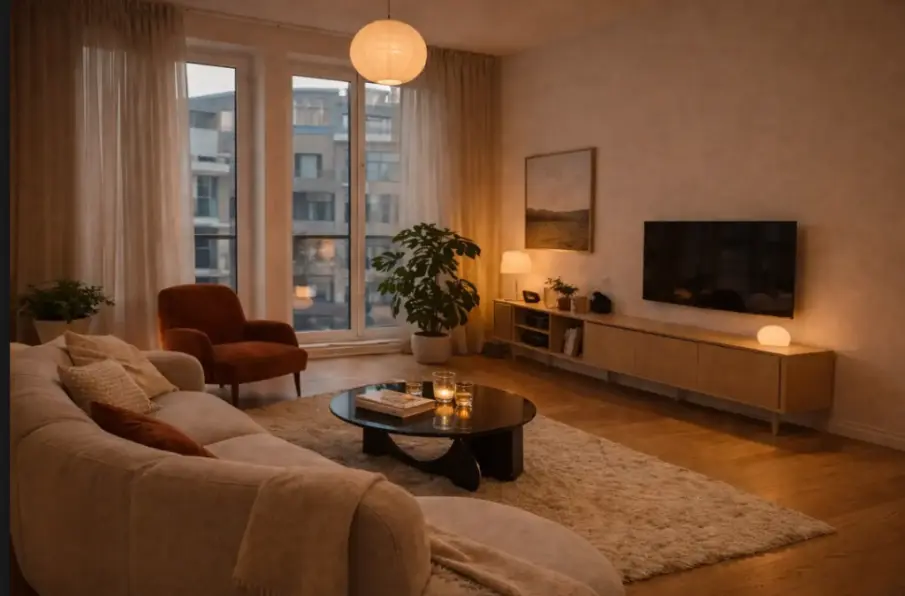
When searching for the perfect urban apartment, it's easy to be fixated on square footage. Larger floor plans usually feel like the better deal — more space, more comfort, more possibilities. But in dense cities where space comes at a premium, lighting often plays a more critical role than raw square footage in shaping how an apartment works, and even how happy you feel there. In this article, we'll explore why good lighting should top your checklist alongside layout and amenities when choosing an urban home.
How Lighting Changes Perception
Natural and artificial lighting profoundly affect how we perceive space. Even a modestly sized room can feel open, airy, and welcoming when equipped with thoughtfully positioned lighting, while a larger room with a poor lighting scheme can feel cramped and gloomy.
This isn't just about aesthetics; lighting defines depth, enhances visual clarity, and makes spaces feel more expansive. By bouncing light off walls and surfaces, an apartment can feel larger without adding a single square foot. Balanced lighting can even make ceilings appear higher without structural changes.
Especially in urban environments, natural light is a treasured resource. It has been shown to have a positive impact on well-being. In an urban apartment with potential views of alleys and neighboring skyscrapers, optimizing natural light with smart window treatments and reflective materials can be a key factor in elevating the quality of life. Design references and lighting guides, including those found on the Globus website, often highlight how small lighting adjustments can meaningfully change the feel of compact interiors.
The Role of Lighting in Everyday Functionality
Square footage might tell you how much room you have, but it doesn't tell you how well that space works for everyday life. Here's where lighting comes into play:
- Task performance: Proper task lighting, for example, brighter light over desks, kitchen counters, or reading nooks, improves daily functionality and reduces eye strain.
- Zoning small spaces: In studio apartments or open-plan layouts, lighting helps define zones. A pendant over a dining table, a floor lamp by the sofa, or under-cabinet lights can signal different "rooms" without walls.
- Flexible living: Adjustable lighting systems or dimmers let residents shift a space's mood throughout the day — from bright and energetic in the morning to warm and relaxing at night.
In essence, thoughtful lighting turns every part of your apartment into a purposeful space, enhancing how you live there. Exploring fixture styles and their features, for example, through a specified catalog, can help renters and homeowners understand how different lighting fixtures influence compact urban spaces without overwhelming them.
Natural Light: A Premium Feature
In many urban listings, large windows and abundant natural light now rank alongside location and outdoor space as top tenant priorities. Natural light not only lifts interior ambience but also offers practical benefits:
- Reduced need for artificial lighting during the day.
- Lower energy costs.
- Better mental and physical well-being.
When apartments are described as "bright," people automatically think of them positively, even if they are not extremely large. This could mean that lighting has more to do with emotional reactions than space's footage ever will.
Artificial Lighting: Design Meets Practicality
Artificial lighting becomes especially crucial in cities with long winters or narrow streets that limit sunlight. The key is not simply to add more fixtures, but to create a thoughtful lighting scheme:
- Ambient lighting provides overall illumination.
- Task lighting supports specific activities like cooking, reading, or working.
- Accent lighting highlights art, architectural features, or décor.
Used together, these layers create depth and visual interest, making apartments feel more sophisticated and livable.
Lighting Considerations for Renters and Buyers
While the square footage might be a prominent feature in the apartment listing, the quality of lighting can have a significant impact on long-term comfort and overall satisfaction with the apartment.
When choosing an apartment, pay attention to:
- Window size and location: South or west-facing windows typically bring more daylight.
- Existing fixtures and wiring: Can you easily add lamps or install dimmers?
- Light temperature: Warm tones feel cozy, while cooler tones can enhance focus.
A well-lit apartment supports your routines, enhances your mood, and makes everyday tasks easier — a value that often outweighs an extra 100 square feet of shadowy space.
More to Read:











Previous Posts: