The essential guide to garage doors: service, upgrades, and lasting performance
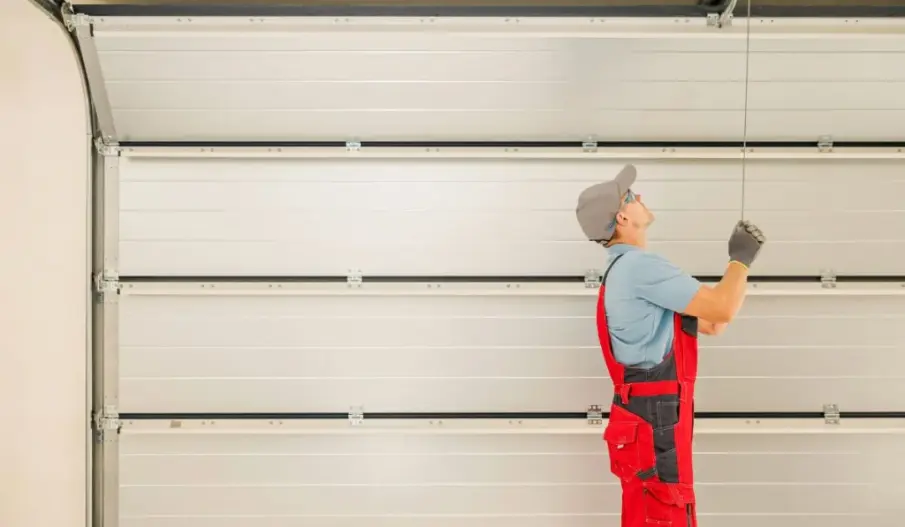
More than just an entryway: understanding your garage door system
A garage door is not just a cover for your car—it’s a complex mechanical structure that works as part of a larger system. Each piece plays its role, and if one fails, the entire system suffers.
The panels are the face of the door, but the springs are its muscles. Whether torsion or extension, they carry the full weight of the door and store enormous energy. That’s why any attempt to fix them without training can be dangerous. Cables lift and lower the door in sync with the springs. Rollers allow smooth travel across the tracks, which must remain properly aligned. Finally, the opener acts as a helpful motor that directs the system, though it cannot do the heavy lifting without the balance created by the springs. This balance is carefully calibrated during a new garage door installation, ensuring that every component works together smoothly and safely.
Listen to your door: decoding noises and what they really mean
A garage door often signals problems before it stops working. Paying attention to sounds can help catch issues early.
- High-pitched squeals usually suggest rollers need lubrication or replacement.
- Grinding noises can point to dirty or misaligned tracks.
- Sharp popping or snapping is often linked to spring damage, which needs urgent attention.
- A motor running with no movement signals a broken spring or disconnected cable.
Recognizing these cues allows homeowners to explain problems more clearly when calling for help, saving both time and money.
The care it deserves: a simple maintenance checklist for longevity
Routine care helps prevent major breakdowns. A simple seasonal routine can make a big difference:
- Look over the entire system for visible rust, dents, or fraying cables.
- Apply silicone-based lubricant to rollers, tracks, and hinges.
- Disconnect the opener and check if the door holds steady halfway—if it falls, the balance is off.
- Clean tracks from dust and small debris.
- Test the door’s reverse function by placing an object underneath. If it doesn’t reverse, service is needed.
Most of these steps are safe for homeowners, but springs and cables should never be adjusted without a professional.
When to repair, when to replace: making the smart choice
Small problems can often be solved with repairs. Replacing weatherstripping, fixing sensors, or touching up a single panel are straightforward jobs.
However, there are times when replacement is wiser. A door that constantly breaks down, lacks modern safety features, or has structural damage usually isn’t worth repairing. Similarly, when springs fail on an older system, replacement often provides better long-term value.
Upgrading your home's curb appeal and security: new door options
Beyond function, a garage door shapes the first impression of a house. Changing it can instantly refresh a property’s appearance while adding security and insulation benefits.
Today’s options range from tough steel doors to wood-look composites that offer style without heavy upkeep. Insulated doors help keep garages—and adjoining rooms—more comfortable year-round. Contemporary designs, including glass panels and sleek finishes, bring a modern edge to any home.
New openers add another layer of improvement: battery backups, Wi-Fi connection, and rolling security codes. These features mean that an upgrade can bring both style and substance.
The installation blueprint: what to expect during a professional setup
For homeowners unfamiliar with installation, the process may feel daunting. In practice, professionals follow a clear series of steps:
- Measure the opening and confirm the correct fit.
- Remove the old system with care, especially springs and tracks.
- Assemble the new panels and hardware.
- Install the tracks, rollers, and springs.
- Mount and program the opener.
- Test balance, safety sensors, and smooth operation.
This sequence ensures the new system works properly from the first day. Skilled installation also protects warranties and prevents dangerous mistakes.
Smart and safe: integrating your garage door into the modern home
Modern garage doors Marko Door Products are no longer just mechanical—they connect with the way people live. With smart openers, you can check if your door is open, close it remotely, or receive alerts. Integration with voice assistants allows hands-free operation, while pairing with home security systems strengthens protection.
Still, digital convenience must go hand in hand with digital safety. Using strong passwords and keeping software up to date are small but important steps to protect your home network and devices.
Avoiding disaster: critical safety tips every homeowner must know
No matter how advanced a garage door may be, safety rules remain the same:
- Never attempt to adjust springs or cables on your own.
- Do not let children treat the door or remote like a toy.
- Avoid walking under a moving door.
- Keep remotes in secure places, not left inside vehicles.
- Check sensors regularly to ensure they reverse the door when blocked.
These habits might seem simple, but they can prevent accidents and keep your home safer.
A garage door is more than a household feature—it is a system of moving parts, a shield for your belongings, and a key part of your home’s character. By listening to it, maintaining it, and making smart choices about repair or replacement, you can ensure it performs well for years.
More to Read:












Previous Posts: